Thursday, May 3, 2012

Use Image Search to research picture ownership

If someone shared a cool photo with you on Facebook or Pinterst, you might want to write a blog post about it.

The post will be a lot more interesting if you can actually include the image. But you're not allowed to put copyright material onto your blog without permission - and how do you know if the picture that was shared with your is copyright or not, and who owns it.

Google Image Search may be part of the answer. Find out about it.

It won't tell you if a picture is definitely avaiable or not - but it gives you information from you can make some judgements based on when it first appeared, and what sort of web-sites it has appeared on..

Remember - although you're not allowed to publish copyright material, you will only get "caught" if a copyright owner spots something on your blog and takes action by filing a DMCA report. There are a great many items which are fine to share, even though they're not technically in the public domain, because no one is actively claiming ownership - and image search gives a way of validating ownership claims made by chancers.
Read more > Use Image Search to research picture ownership

Crop and re-size photos stored in PIcasa, without HTML

Some very interesting info from David of Blogger Xpertise about controlling the display of photos from Picasa by manipulating the URL.   What he's found is nothing that we couldn't do with HTML, but I have a feeling that it might point to some other possibilities using Picasa's URLs.   Ref:   http://blogxpertise.blogspot.com/2012/05/tip-automatically-cropping-square-and.html
Read more > Crop and re-size photos stored in PIcasa, without HTML

Audi A4 8

Audi A4Chega ao país a oitava geração de um dos sedãs mais famosos da Alemanha. Ela faz parte da renovação do segmento de entrada das marcas premium, que inclui concorrentes de menos renome como VW Passat, rivais orientais como Toyota Camry e revelações como o novo Volvo S60, sem contar com conterrâneos como BMW Série 3, cuja nova geração chegará em breve. É um setor de alto prestígio, e que no Brasil vem tendo números de vendas cada vez mais expressivos.

Basta uma olhada mais atenta aos showrooms de cada marca e se percebe a atual tendência de criar uma identidade de estilo própria. Grade grande e bipartida na Chevrolet, linhas fluidas e opulentas na Hyundai, farois e grade formando um só elemento na VW, e grade dianteira em peça única na Audi, formando o maior destaque desse setor. As laterais são mais sóbrias, mas costumam trazer linha de cintura elevada e dois vincos pronunciados, dando ideia de movimento. E a traseira se faz com o par de vistosas lanternas horizontais em LEDs. O grande problema é que os alemães parecem não saber quando parar.

Audi A4Os VW ficaram parecidos a ponto de se poder confundir Jetta com Fox quando vistos de frente. E isso para não comentar do volante multifuncional, que surgiu no Passat CC mas hoje em dia se pode encontrar até no Gol. Caso parecido se repete com A4, A6, A8 e etc. Eles seguem tendências modernas e têm bom estilo, isso é fato. Mas eles perdem muitos pontos porque usam exatamente os mesmos elementos, apenas retrabalhados para condizer com o tamanho de cada carro. Resulta numa gama de produtos de altíssima qualidade, mas que não chamam atenção como cinco anos atrás, porque são parecidos demais.

No entanto, ao fazer o esforço de colocar este assunto de lado vemos surgir um carro excelente. Os farois usam os LEDs em nova tecnologia para conseguir efeito visual diferente. Por dentro temos a típica profusão de couro, cromados e tecnologia, mas a situação ainda vai melhorar. É que em julho chegará a versão de topo, Ambition. A que veio agora é a Ambiente, e por R$ 149.700 traz teto solar, bancos dianteiros elétricos, direção elétrica e controle de estabilidade, entre outros itens. Seu motor 2.0 conta com turbo e injeção direta para alcançar 180 cv e torque de 32,6 kgfm, suficientes para levá-lo de 0 a 100 km/h em 8s2 e à máxima de 226 km/h. O câmbio é o Multitronic, do tipo CVT.

Read more > Audi A4 8

Wednesday, May 2, 2012

Becoming a Google Trusted Photographer

Previously I described Google's Trusted Photographer's programme, which could be a nice business opportunity for serious photo-bloggers.

At that time, Google were selling business-owners the idea of using a TP to take photos of your business and upload them to Places/Maps. But they were pretty vague about how to become a TP.

Today, they've given links to far more info about how it works and how to to sign up as a Google trusted photographer.
Read more > Becoming a Google Trusted Photographer

Tuesday, May 1, 2012

Designing blogs for mobile devices - liquid design and image-width-maximisation

Today I read a very interesting article from the Webmaster Central blog about the challenges of designing websites for mobile devices, and a concept called liquid design.

For bloggers who have enabled a mobile template for their blog, the overall site design is handled by Blogger: you can add gadgets to your mobile template easily enough, and if they're in the sidebard then Blogger decides where to show them instead.

But the design inside posts is our own responsibility. I've been pondering this for one of my blogs that definitiely needs a mobile-template view, but which has a number of side-by-side images.

I'm not certain yet, sure, but the article's suggestion to add this CSS rule to my template
img {
max-width: 100%;
}

might just be a very good one for me to apply.
Read more > Designing blogs for mobile devices - liquid design and image-width-maximisation

Adding gadgets to your mobile-template makes your blog better for smartphone visitors

This article shows how to add gadgets to the mobile version of your blogger template.

Gadgets and mobile templates 

Previously I've described how to add a gadget to your blog.

If you have not enabled a mobile template for your blog, then visitors who look at it using a mobile device (smartphone, tablet etc) will see all your content and gadgets.   But they will probably have to scroll left and right a lot, because your blog will be a lot wider than their screen.  There might be some issues if you have gadgets that require javascript or particular media players, which their device doesn't have installed. But these are exactly the same as the issues for your visitors who are using desktop computers.

But if you have enabled a mobile template, then readers who are using a mobile device see a different design which is tailored to their screen-width, though still using the colour/theme that you chose.

Blogger faced some challenged when they built these mobile templates: many bloggers put a lot of effort into design and providing gadgets that.    But a 300-ish pixel screen simply does not have room for a sidebar and blog content, and may not have space for some of the things that gadgets do, either.

What Blogger have done is to say that only some gadgets are normally shown on mobile-template versions of your blog:
  • Header
  • Blog Posts
  • Profile
  • Pages
  • AdSense
  • Attribution

However it's easy to add other gadgets to your own customized mobile template, and to set up gadgets that are only seen by readers using mobile-devices - provided you are willing to take the risks of editing your template.

(I've described how to remove the attribution gadget from mobile-templates before, because it's one that some people particularly hate - and of course the same approach can be used for the other standard gadgets too.)


How to add a gadget to the mobile template

First, check that mobile has been enabled for your blog, and that your mobile template is set up to show customizations:   go to the Template tab, click on the gear-wheel under mobile, tick Yes (for show mobile template), then select Custom, and press the Save button.


Add the gadget to your blog, in the usual way:  when you are choosing the parameters, make sure you think about the amount of screen-space that your mobile-readers will have to see it.

Find the gadget ID.

Edit your template: you don't need to expand the widgets.

Locate the gadget code, by searching for the ID you found (tip: use your brower's search function, eg ctrl/F). It will look something like this (slightly different, of course, if the gadget you are working on is of a different type):
<b:widget id='PlusBadge1' locked='false' title='Google+ Badge' type='PlusBadge'/>
To show the gadget on the mobile version of your blog, add mobile='yes' to the code, like this:
<b:widget id='PlusBadge1' locked='false' mobile='yes' title='Google+ Badge' type='PlusBadge'/>

To show the gadget only on the mobile template and not to desktop users, add mobile='only' to the code, like this:
<b:widget id='PlusBadge1' locked='false' mobile='only' title='Google+ Badge' type='PlusBadge'/>

Save the changes.

Use either a mobile device (ideally), or another tool that lets you test blogs as they would appear on different screen sizes, to check that the gadgets are showing as you think they should.


What gadgets should you add to your mobile template?

There are no hard-and-fast rules here:   it's all about what you want your mobile visitors to be able to access.   I have seen people add blog-rolls, linked-lists, polls, profiles, and various other simple widgets.

Gadgets that I think could be more troublesome are slideshows, popular posts (if you try to show a thumbnail), newsreel, subscriptions, gadgets from Amazon.com and other 3rd parties.

You just need to remember amount of screen space which your visitors have, and how large the images are likely to be for them.   And also that gadgets are likely to be shown as the bottom of the list-of-posts (which is how the blog-posts gadget shows the home page of your mobile blog), so won't be nearly so obvious as they are in the sidebar.


Why put gadgets only in the mobile blog?

You may wonder why a gadget should only go on the mobile version.

One reason is to provide a simpler alternative to a full-featured gadget that is shown on the non-mobile version of the blog. For example, I use a two-page google-custom-search option here on Blogger-Hints-and-tips. This lets me control what sites are searched, and use some advanced display features. But a mobile-sized screen won't cope with this. So if I wanted to make Blogger-HAT more mobile-friendly, I'd add a regular search-gadget, but only show it to on mobile-devices so that non-mobile visitors didn't get confused.


Positioning gadgets on the mobile template

Tatami layout 1As far as I can see, we do not easily have any control over the positioning of gadgets in the mobile-template versions of our blogs.

Some experiments make me think that:
  • gadgets from the header in the regular layout are put above the list of posts in the mobile view
  • gadgets from the footer in the regular layout are put below the list of posts in the mobile view
  • gadgets from the sidebar in the regular layout are put below the list of posts in the mobile view

But there could be more going on here - please let me know if you've worked out any more rules that are applied.

Also, I have no idea how mobile templates will cope with tricks like gadgets that are put above your header: test your blog extra carefully if you've tweaked your template in this way before adding mobile-specific tweaks.


Troubleshooting

Stopping gadgets from showing on mobile-template blogs (ie adding mobile='no') does not require you to choose the Custom option from the list of mobile template.   But adding them (except for the ones in the default list) does.

The default mobile gadgets are  only shown if you have put them onto your blog template: if they are not in your blog at the moment, then they will not automatically be shown just because you enable a mobile template.

What other problems have you had with mobile-templates?


Related Articles:


Putting a gadget into your blog

Turning your blog's mobile template on

Advantages and disadvantages of editing your blogger template

Finding the id for any gadget

Adding a google-custom-search

Giving your blog a home-page
Read more > Adding gadgets to your mobile-template makes your blog better for smartphone visitors

Sedãs de luxo - Categoria 1

As diferenças de preço entre os carros permitem criar cada vez mais categorias entre os carros no Brasil. É interessante de ver que modelos de várias partes do mundo chegam aqui nas mais distintas faixas de preço, e portanto possíveis de se encaixar em subsegmentos muito diferentes dos que ocupam na terra natal. Os carros aqui enlistados formam um suposto ato nível de sedãs à venda no país, e se pode dizer que estão acima dos que estão acima dos que chamamos de médios.


A4110004Audi A4: É um dos sucessos de venda da marca alemã. Seu desenho de vincos fortes e grande entrada de ar já denuncia que ele procura se diferenciar dando uma esportividade agressiva à típica sobriedade de linhas alemã. Fartura de itens é lei neste nível, então resta mencionar que ele se destaca pela opção do kit de acessórios Sport, cujo visual complementa a opção do moderno motor 2.0 FSI. Outro bom destaque é a oferta da estilosa versão station wagon, Avant.


BMW Série 3BMW Série 3: Este já é o carro-chefe da marca da Bavária. Sua boa fama aqui surgiu nos anos 1990, quando fascinava pelo desempenho, tecnologia embarcada e estilo. Se hoje em dia isso já não lhe dá o destaque de antes, ainda são atrativos de sobra nesta categoria. Fora o detalhe que o status de “ter um BMW” é sempre tentador, em especial aos clientes oriundos de categorias mais baratas. Mas vale a pena esperar, pois a nova geração chega aqui em breve.


Chevrolet Omega FittipaldiChevrolet Omega: Se em 1992 ele chegou quebrando recordes, detendo primazias e ganhando a adoração geral do país, suas gerações seguintes nunca mais tiveram tanto êxito. Também colabora o fato de ele ter virado mera versão dos Holden australianos, mas basta analisar o modelo atual por si só para ver que é uma excelente opção. Sua cabine não deve em nada aos rivais quanto ao luxo, e o V6 de 292 cv faz jus ao design do sedã aprovado por Emerson Fittipaldi.


Chrysler 300Chrysler 300: Ele é um dos raros casos de face-lift de qualidade. O projeto não mudou, mas retocar os traços na medida certa fez o carro parecer renovado sem que as partes novas destoassem das antigas. É com essa qualidade de projeto que a Chrysler se defende aqui, abusando do luxo e espaço da sua cabine projetada para atender o padrão americano de carro grande, mas com o moderno V6 Pentastar para conciliar ótimo desempenho com consumo comedido.


2008 Honda Accord EX-L V-6 SedanHonda Accord: Aqui o foco se faz na versão de topo. Mas é uma pena que o Accord seja um dos menos vendidos nesta categoria. Talvez pela geração já antiga ou pelos preços altos, mas deixando isso de lado se revela um legítimo sedã japonês, com linhas retas focando na sobriedade, mas com uma clara vocação secundária para o lado esportivo. Seu V6 gera 278 cv, e combina bem com o ar de requinte trazido pela cabine de cores escuras e fartura de itens.


2012 Hyundai AzeraHyundai Azera: Representa o meio-caminho na ampla gama de sedãs Hyundai vendida aqui. Se sua geração anterior logo fez sucesso por aliar motor V6 a cabine luxuosa e preço imbatível, a atual veio completamente renovada e mudou de foco. Azera agora é significado de uma “escultura fluida” mais elegante que o Sonata, com cabine maior, e motor mais forte mas que não prioriza números de esportivo. Ele prefere oferecer conforto e requinte aos donos, mas sai bem caro.


Kia CadenzaKia Cadenza: Trata-se da interpretação Kia para este segmento. Saem os exageros da Hyundai e entram em cena linhas elegante mas joviais, chamando atenção pelos vários detalhes em vez de carroceria esculpida demais. Temos poucas opções de cor, mas também motor V6, câmbio automático e cabine repleta de luxo. O principal mérito desse carro é ser um salto gigante em relação ao antecessor Opirus mas com mais que só repetir o estilo Kia.  Ele tem personalidade própria.


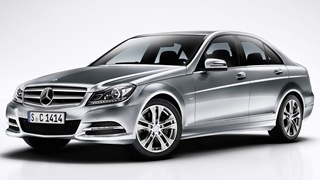
C-Klasse LimousineMercedes-Benz Classe C: Completa o trio de entrada dos alemães de luxo. A fama dos Mercedes não se faz pela esportividade ou tecnologia arrebatadoras, mas sim pela opulência de sua imagem. Pelo jeitão de limusine que sempre tiveram, e que a atual tendência de estilo reforça indiretamente, ao usar capô longo e de grade dianteira larga. A fase atual já não é última novidade, mas ele já caiu no gosto do brasileiro pelo preço muito interessante das versões de entrada.


Toyota CamryToyota Camry: Ele e o Accord são o degrau superior da eterna rivalidade entre Corolla e Civic. A geração atual se desdobrou em três leves variações de estilo para agradar melhor a cada mercado, e nós recebemos a mais conservadora – seus detalhes retos e cromados combinam melhor com seu porte e com o estilo de cliente desta faixa. Seu preço é elevado, mas existem motor V6 e pacote de itens completo. O problema é que existem rivais de mais renome pelo mesmo preço.


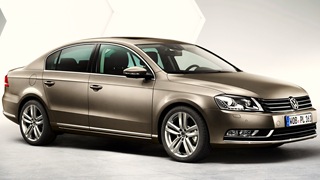
Volkswagen PassatVolkswagen Passat: A geração nova dá bom gosto ao estilo VW atual. O motor segue downsizing e o pacote de itens é muito bom. Mas se ele é alemão, por que não entrou no trio ali acima? Por melhor carro que seja quando visto sozinho, basta colocar os rivais ao lado e ele desaparece. Uns têm estilo mais atraente, outros mais baratos, e a maioria ataca no seu calcanhar-de-aquiles: é difícil pagar até R$ 160 mil num carro cuja marca é a mesma de Gol e Kombi.


Volvo S60Volvo S60: Nesse mar de sedãs luxuosos e de bons motores, ver um Volvo já dá a típica ideia de que seu destaque é a segurança. O lado bom é que seus projetos mais recentes passaram a também caprichar no design. E que design! O S60 é mais sedutor e chamativo até que os favoritos Kia e Hyundai. Tem tudo para agradar à faixa dos 30-35 anos com seu estilo de sedã-cupê e boas opções de cor. Sua linha é coroada com os 304 cv da versão T6 turbo.

Read more > Sedãs de luxo - Categoria 1
 
 
Copyright © blog
Blogger Theme by Blogger Designed and Optimized by Tipseo